A residence that spans the centuries: from the watchtower of 1366 to the villa that welcomes visitors today

History, family and authenticity in the heart of the Tiber Valley

A place that tells its own story

There are houses that preserve a history, and houses that are a history.

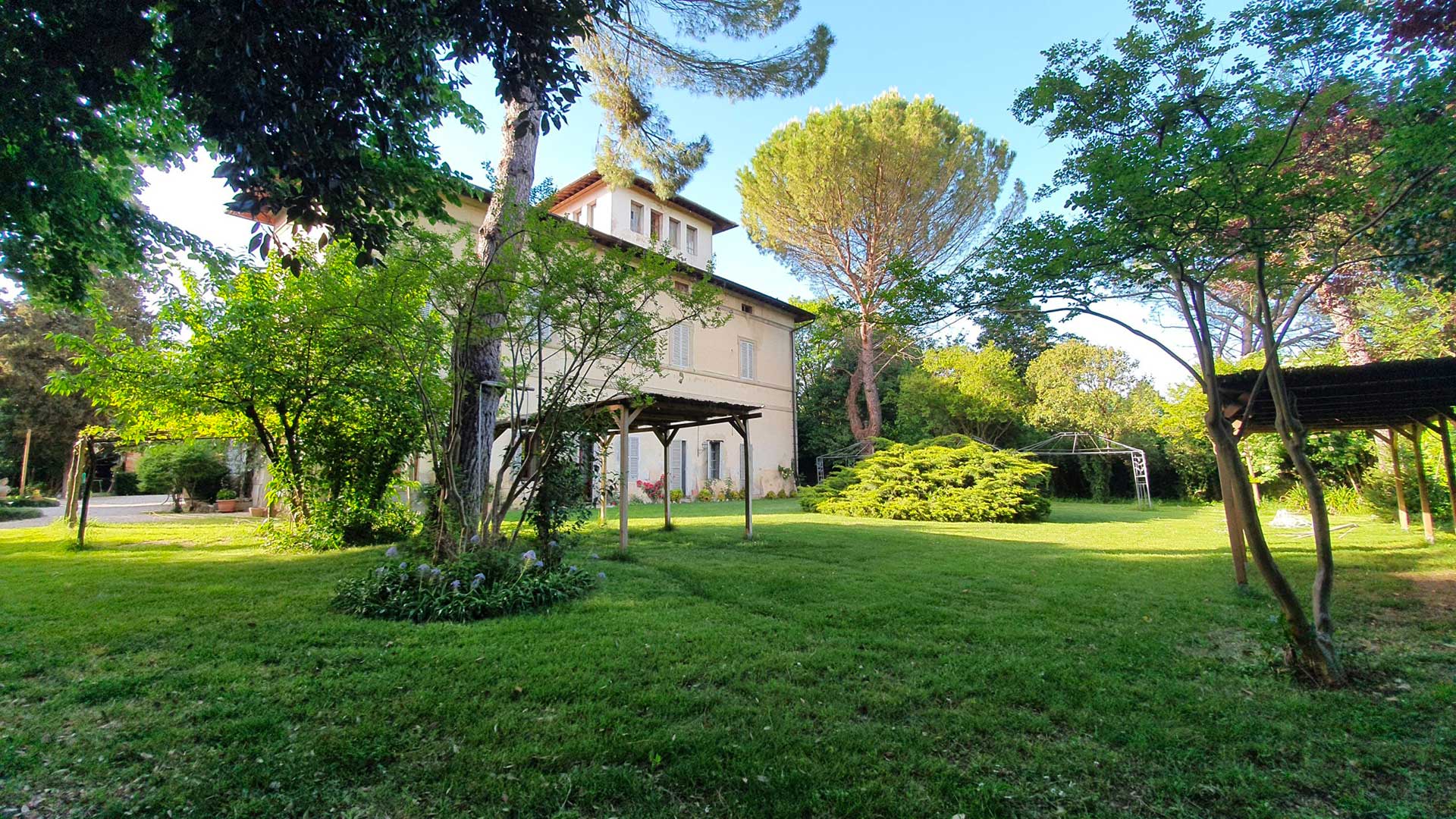
Villa Taticchi belongs to the second category: a residence that has spanned seven centuries, evolving alongside the families, the lands and the eras that have inhabited it.

Its journey began in 1366, when it was not yet a villa, but a watchtower overlooking the Tiber Valley. Its function was strategic: to observe, to spot, to warn. From that single medieval structure, simple and defensive, the many facets that now make up the villa have emerged over time.

The medieval tower and its connection to the Abbey

The original tower stood under the rule of the Abbey of Santa Maria in Val di Ponte, one of the most influential spiritual and administrative centres in the area.

It was an outpost: a stone sentinel, tasked with protecting the population and maintaining control of the valley.

Its walls, still visible in the current structure, represent the first chapter of a history that has continued for over 650 years.

The transition to the Taticchi family: a new life in the 19th century

The real turning point came around 1860, when the Taticchi family became the owners of the residence.

The acquisition is not fully documented, but it is thought to stem from compensation received for work carried out on behalf of the Papal States.

From that moment on, the Villa was no longer merely a garrison: it became a summer residence, a place for gatherings, family life, agricultural work and daily living.

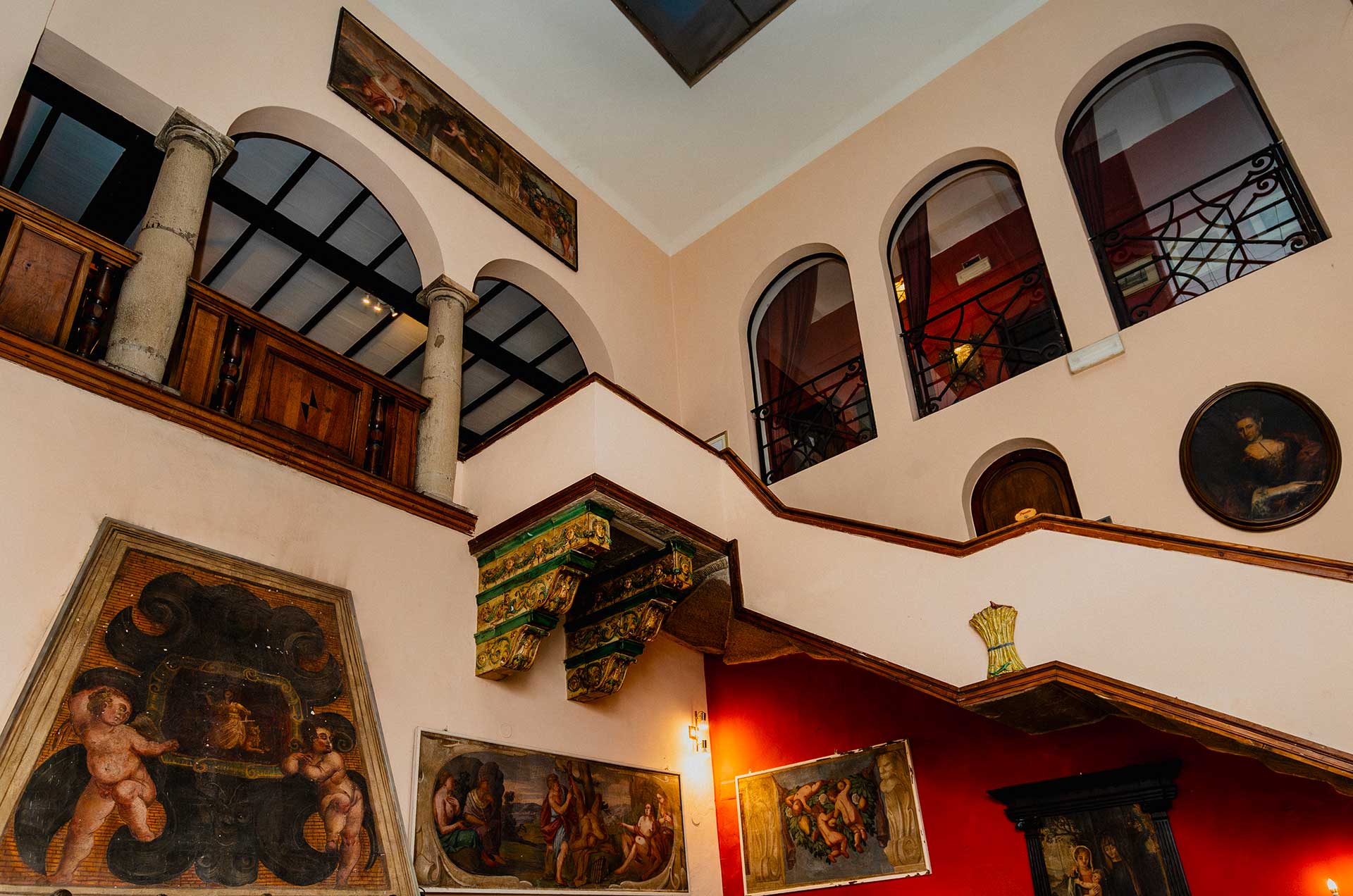
But how has the villa changed over the years? The villa, as we see it today, is the result of a slow and fascinating evolution spanning the centuries. It all began in 1366 with the medieval tower, the original nucleus around which the entire villa developed. In the 16th century, the grand hall was added, which remains one of the most iconic rooms to this day; in the 19th century, the intimate and refined small salon was added; and in 1930, following the marriage of Giuseppe Taticchi and Countess Maria Fulvia Chiericati, the Villa took on its current form.


The Villa is not a “historical reconstruction”: it is living history, intact and layered, still inhabited by the descendants of the same family.

From the 20th century onwards, the Villa also became the headquarters of the famous Taticchi farm, a landmark for the local area.

The house came alive: five children grew up within these walls, whilst the whole family carried on with a busy and deeply-rooted business.

It was a period of great vitality, characterised by traditions, hospitality, hard work and family heritage.

The years of the horses: an unforgettable chapter

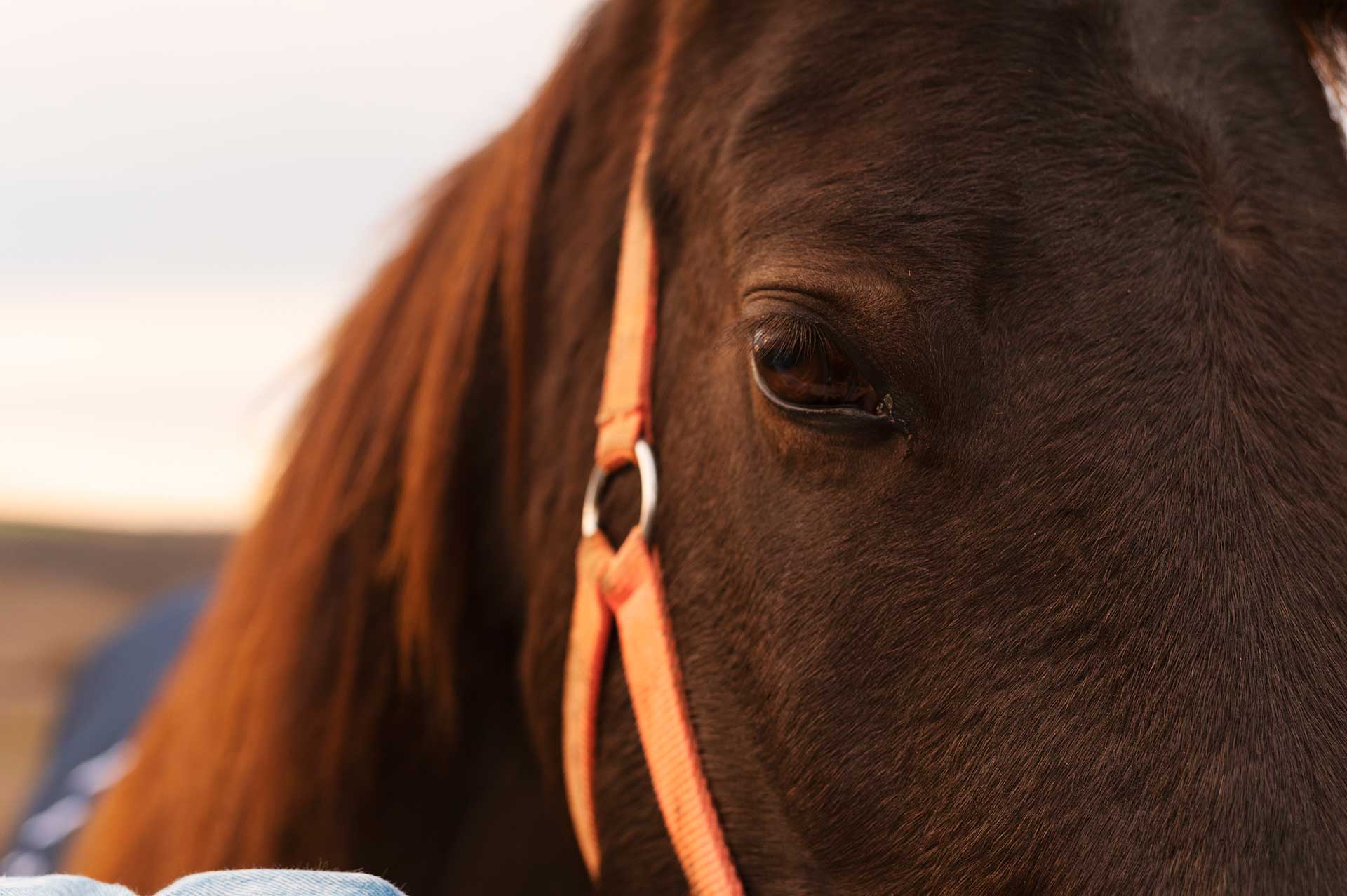
Among the most fascinating anecdotes is the period of the horse shows, inspired by grandfather Anco Marzio Dapas, a colonel and riding instructor.

Between 1988 and 1996, the equestrian centre linked to the Villa – Il Covone – became one of the most important in Central Italy, hosting international competitions.

A vivid era, still present in family stories.

Opening to guests and the birth of modern hospitality

After 1988, following the passing of the grandparents, the family decided to give the Villa a new purpose: agritourism, then a restaurant in 1997.

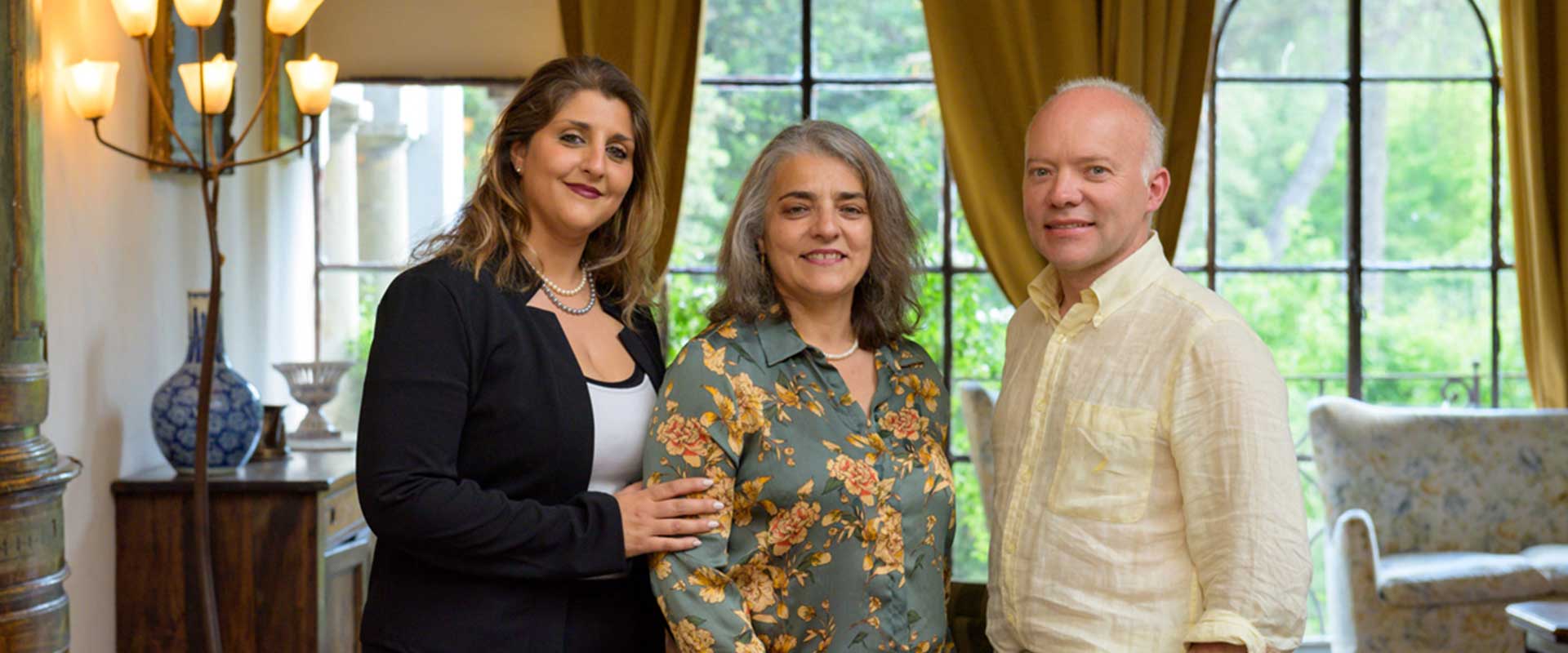
It is here that two key figures emerge: Annabella and Cesare, the parents.

With their kindness, culinary talent and natural flair for hospitality, they transformed the Villa into a place beloved by Italian and international guests.

Their legacy remains the beating heart of the establishment: authentic, family-style hospitality, never impersonal.

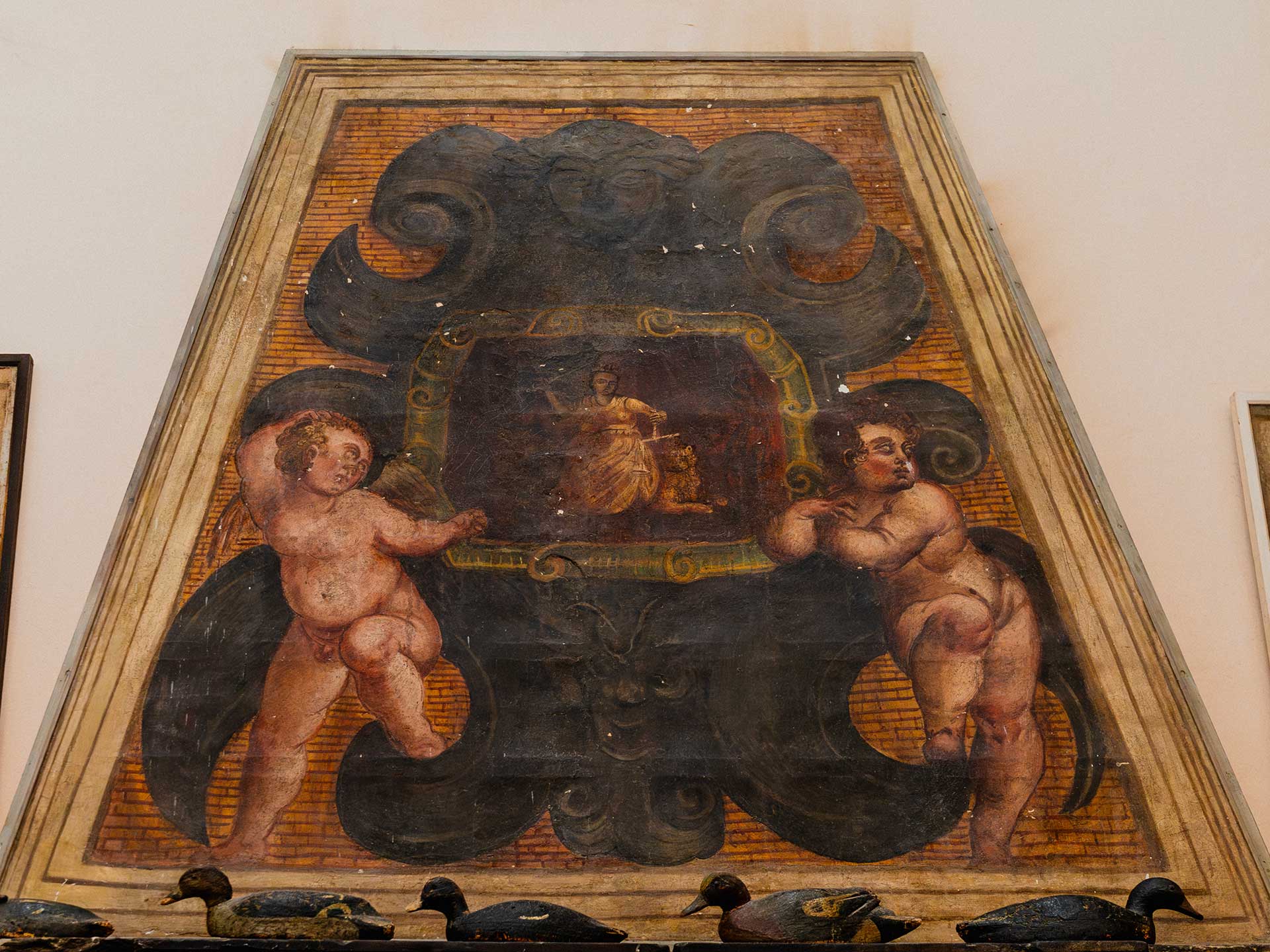
Scattered throughout the villa’s rooms are little treasures that reveal its soul: the portrait reproduced by the grandmother, linked to the figure of John Singer Sargent; Puccini’s original, autographed sheet music, available for guests to browse; period furnishings and objects that retain an authentic, unpretentious elegance. These are precious mementoes, impossible to find in any other Umbrian residence.

Today, Villa Taticchi welcomes guests to its restaurant, guest rooms and events held within its historic residence.

The mission is clear: to offer a genuine experience, consistent with what the site conveys and with what the guest will find upon arrival.

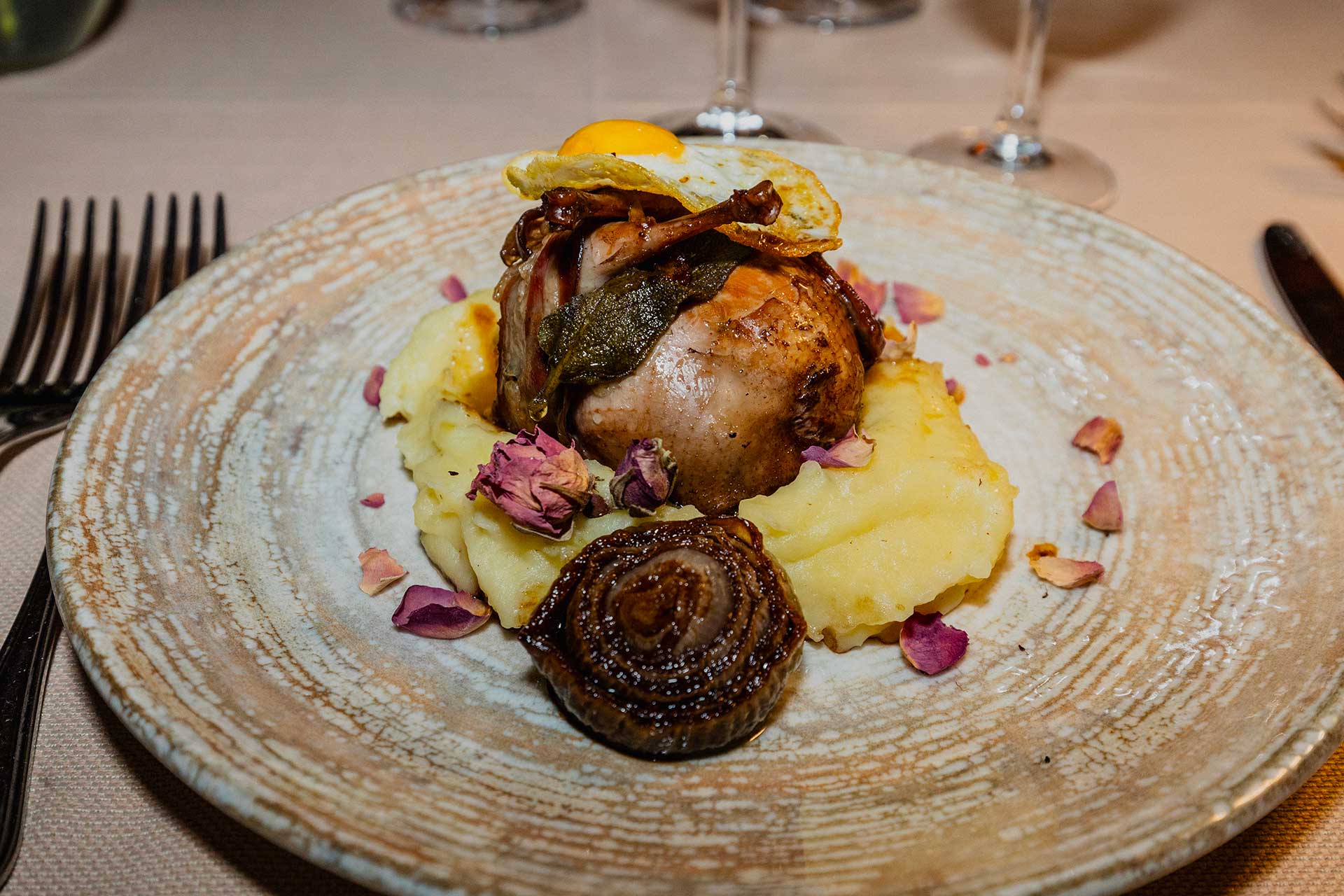
Natural cuisine, an elegant yet informal home, a garden opening out onto the Tiber valley, a medieval tower that will soon house new rooms.

And a motto that sums it all up: Carpe horam. Seize the moment.

Because here, amidst history, nature and hospitality, time does not stand still: it transforms into an experience.

Strada Fratticiola, 2 – Ponte Pattoli (Perugia)
+39 075 694503
info@villataticchi.it